Pig Butchering: The Romance Scam That Empties Crypto Wallets
Pig butchering is one of the most financially destructive scams operating today, and it works precisely because it does not look like a scam at the start. It begins with connection. A casual message on a dating app, Instagram, LinkedIn, Telegram, or even a “wrong number” text turns friendly, then familiar, then emotionally consistent. Over weeks or months, the scammer presents as attentive, successful, and trustworthy, building a rhythm of daily contact that feels personal and real. This is deliberate.
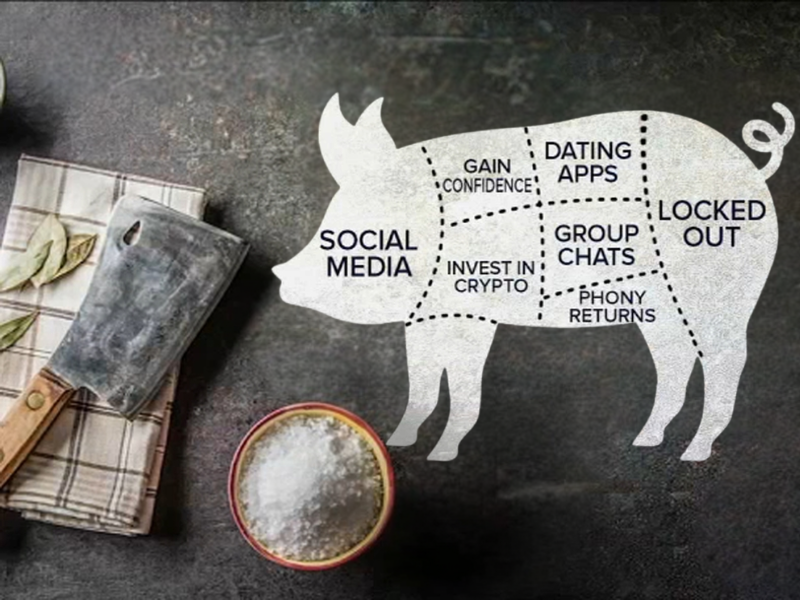
The term “pig butchering” comes from the Chinese phrase sha zhu pan, meaning “killing the pig,” a reference to the methodical way victims are emotionally and financially “fattened” before everything is taken. This is not a smash-and-grab operation. It is patient, structured, and engineered to feel human.
Only after trust is firmly established does money enter the conversation, usually framed casually through stories of personal success with cryptocurrency trading or investing. Victims are not pitched; they are guided. They are walked step by step onto professional-looking but entirely fake crypto platforms, shown dashboards with fabricated gains, and sometimes even allowed to withdraw small amounts early on to reinforce credibility. As confidence grows, so do deposits.
When victims attempt to withdraw larger sums, the trap closes. Suddenly there are taxes to pay, liquidity issues, verification fees, or account minimums. Each new obstacle is fictional, designed solely to extract more money. By the time the victim realizes what is happening, the platform has vanished, the relationship has disappeared, and the cryptocurrency is unrecoverable.
Crypto is central to this scam for a reason. Transactions are fast, pseudonymous, and irreversible. Funds can be routed through wallets, bridges, and offshore exchanges in minutes. Fake platforms are easy to create and difficult for non-experts to evaluate. Combined with the cultural mythos around crypto—outsized returns, insider knowledge, early access—it becomes the perfect vehicle for fraud.
Regulators and law enforcement now acknowledge that pig butchering scams account for a significant share of global crypto fraud losses. Reporting from the California Department of Financial Protection and Innovation (https://dfpi.ca.gov/news/insights/pig-butchering-how-to-spot-and-report-the-scam/), the FBI’s Internet Crime Complaint Center and Operation Level Up (https://www.ic3.gov and https://www.fbi.gov/how-we-can-help-you/victim-services/national-crimes-and-victim-resources/operation-level-up), and investigative coverage by Reuters (https://www.reuters.com/world/asia-pacific/how-pig-butchering-scams-turn-romance-into-billions-lost-crypto-fraud-2023-11-28/) all point to losses in the billions.
Investopedia’s analysis of pig butchering scams (https://www.investopedia.com/pig-butchering-scams-explained-11830383) highlights why these schemes are so effective: they do not rely on technical ignorance or greed. They rely on psychology. Victims are groomed to trust the scammer emotionally long before they are asked to trust an investment. That emotional leverage delays skepticism, reporting, and intervention. Many victims recognize that something is wrong but hesitate, hoping it is a misunderstanding rather than a betrayal.
The red flags are intentionally boring. Rapid emotional intimacy with someone you have never met in person. Pressure to move conversations off mainstream platforms. Encouragement to use obscure or unfamiliar crypto sites. Claims of consistent or low-risk returns. None of these are dramatic on their own. Together, they should end the conversation immediately.
The bottom line is simple and unsentimental: if an online relationship leads you to crypto investing, assume it is a scam until proven otherwise. Pig butchering works because it feels human. That is exactly what makes it dangerous. Awareness, verification, and skepticism are the only real defenses.