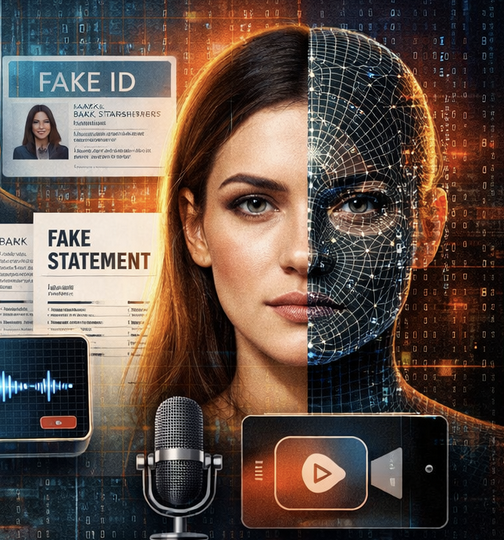

FTC Spotlights Rising Scam Trends as 2026 Opens
As cybersecurity professionals return from the holiday break, the Federal Trade Commission has issued a comprehensive series of consumer alerts highlighting persistent and evolving fraud schemes targeting Americans across multiple sectors. The agency’s January 2026 guidance reveals scammers are increasingly sophisticated in their impersonation tactics and are exploiting seasonal vulnerabilities from health insurance enrollment to entertainment industry aspirations.
The most alarming development involves direct impersonation of high-ranking FTC officials, with scammers now posing as Chief Privacy Officer John Krebs to deceive consumers. This represents a significant escalation in government impersonation fraud, moving beyond the typical IRS and Social Security Administration schemes to target the very agency responsible for consumer protection. The brazen nature of impersonating the FTC’s own privacy chief suggests fraudsters are testing new psychological manipulation tactics, banking on the irony that victims might lower their guard when contacted by someone claiming to represent consumer protection interests.
Credit repair scams continue to proliferate as Americans face ongoing financial pressures. The FTC’s renewed warnings about illegal credit repair operations indicate these schemes are experiencing a post-holiday surge, likely targeting consumers who accumulated debt during the 2025 holiday season. These scams typically charge upfront fees for services that consumers can perform themselves for free, and often promise unrealistic results like removing accurate negative information from credit reports. The timing of this alert suggests fraud prevention specialists should expect increased activity in the financial services sector.
The entertainment industry is facing a new wave of virtual casting call scams that exploit the shift toward remote auditions established during the pandemic era. These schemes target aspiring actors and performers with fake opportunities, often requesting upfront fees for “processing” or demanding personal information under the guise of background checks. The sophistication of these scams has increased, with fraudsters creating convincing fake websites and using professional-looking communications that mirror legitimate casting agencies.
Military service members and veterans remain prime targets through multiple attack vectors. The FTC has identified scammers exploiting both military banking services and the National Veterans Golden Age Games. The military bank scam involves fraudsters impersonating military financial institutions to steal funds, particularly targeting service members during the holiday spending season. Simultaneously, scammers are falsely claiming that participation in the National Veterans Golden Age Games requires payment, when the legitimate program is entirely free. This dual targeting of the military community represents a coordinated effort to exploit trusted institutions within veteran networks.
The business sector faces mounting pressure from fake review manipulation, with the FTC issuing specific warnings about schemes targeting companies desperate to improve their online reputation. These operations often promise to boost business ratings through fraudulent reviews or threaten to post negative reviews unless payments are made. The alert indicates this problem has reached a scale requiring federal intervention, suggesting fraud prevention teams at e-commerce platforms and review sites should enhance their detection capabilities.
Healthcare fraud continues evolving with the insurance enrollment cycle, as scammers exploit the complexity of health insurance markets to steal personal information or sell fraudulent policies. The open enrollment period creates natural urgency that fraudsters leverage to pressure consumers into hasty decisions without proper verification of insurance provider legitimacy.
Corporate delivery services are also under scrutiny, with the FTC taking action against Instacart for allegedly failing to meet consumer promises. While not traditional fraud, this enforcement action highlights the blurred lines between poor business practices and deceptive consumer harm, indicating regulators are expanding their definition of actionable consumer protection violations.
Key Takeaways:
Government impersonation scams are escalating to target FTC officials directly, requiring enhanced verification protocols when consumers receive unexpected official contacts.
Post-holiday financial vulnerability creates prime conditions for credit repair scams, necessitating increased monitoring of financial services fraud.
Entertainment industry scams are adapting to virtual platforms, demanding updated awareness training for talent agencies and entertainment professionals.
Military communities face coordinated multi-vector attacks requiring specialized outreach and protection measures.
Fake review manipulation has reached federal enforcement levels, indicating businesses need stronger verification systems for customer feedback platforms.
The January 2026 fraud landscape reveals scammers are becoming more audacious in their institutional impersonations while maintaining pressure on traditional vulnerable populations. Fraud prevention professionals should prepare for increased sophistication across multiple sectors as economic pressures and digital platform dependencies create expanded attack surfaces.
Related Stories – Dive Deeper
- How To Bring National Consumer Protection Week to Your Library (FTC Press Releases)
- Press Release (FTC Press Releases)
- Looking to fix your credit? An illegal credit repair scam isn’t the answer (FTC Consumer Alerts)
- Lights, camera, scam! Spot virtual casting call scams (FTC Consumer Alerts)
- Scammers are impersonating FTC Chief Privacy Officer John Krebs (FTC Consumer Alerts)
- FTC warns businesses about fake reviews (FTC Consumer Alerts)
- The National Veterans Golden Age Games are free, no matter what scammers say (FTC Consumer Alerts)
- The FTC says Instacart didn’t deliver on their promises (FTC Consumer Alerts)
- How to avoid health insurance scams this open enrollment season (FTC Consumer Alerts)
- Stolen funds for the holidays: Spot this military bank scam (FTC Consumer Alerts)